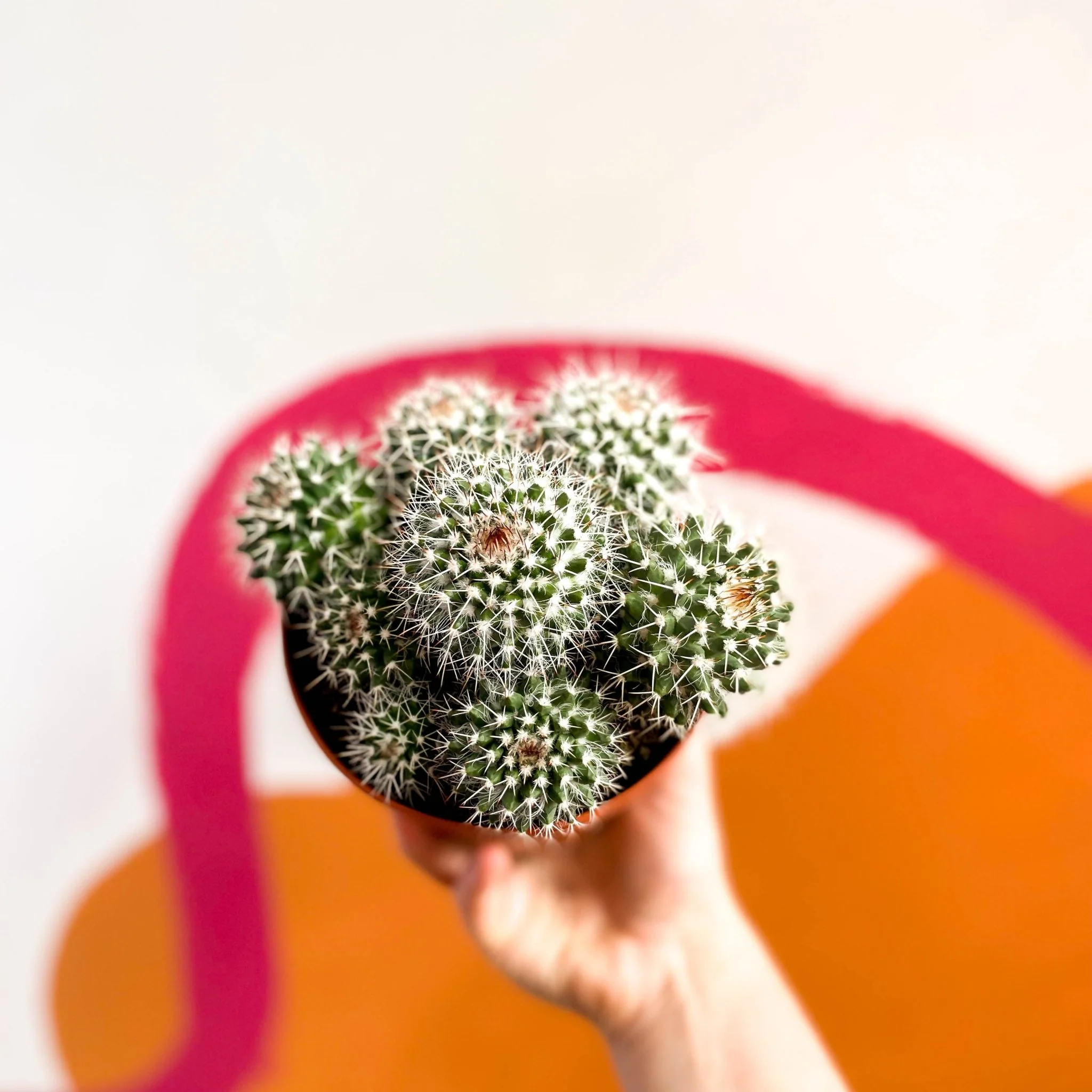

Neoregelia rosea - Pink Blushing Bromeliad
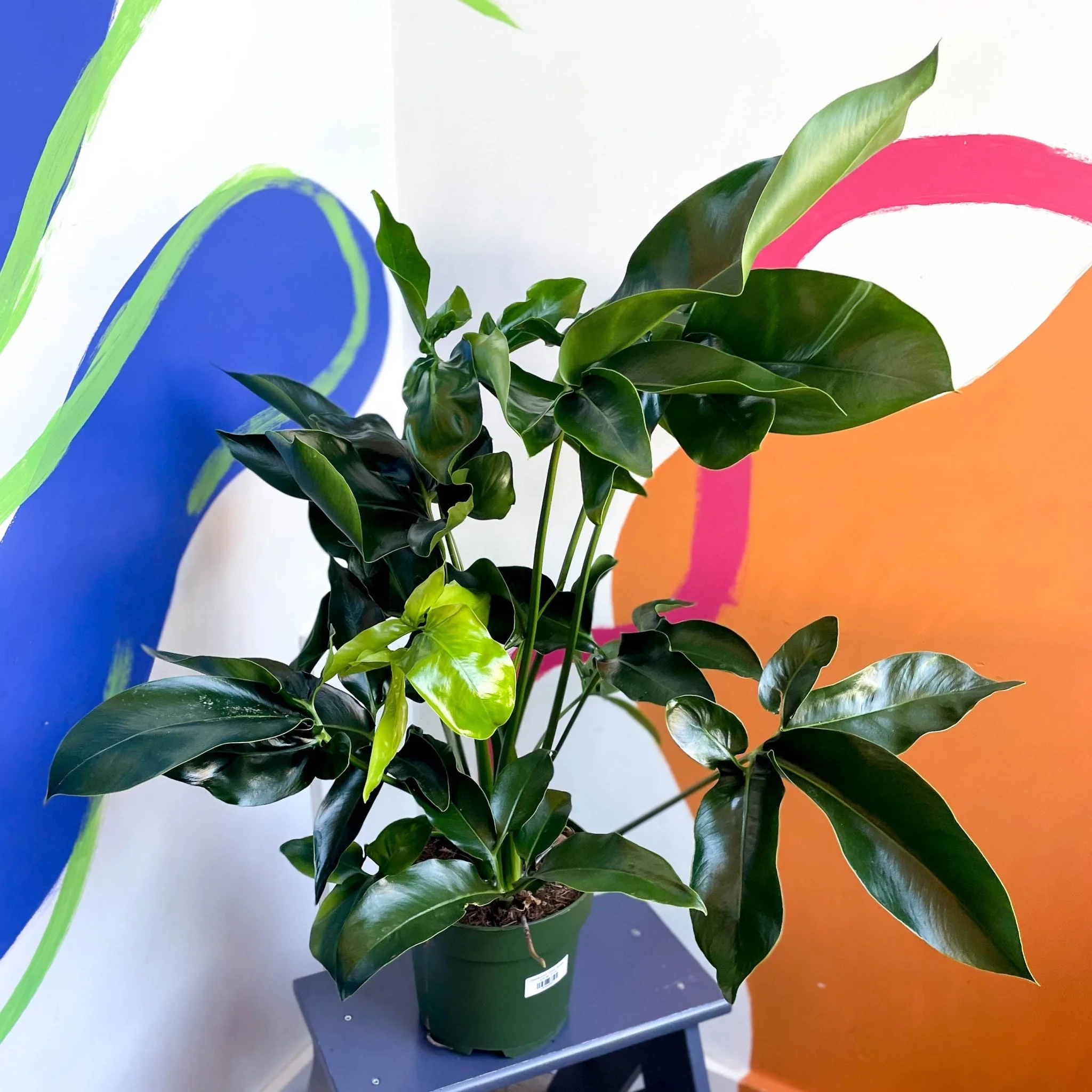
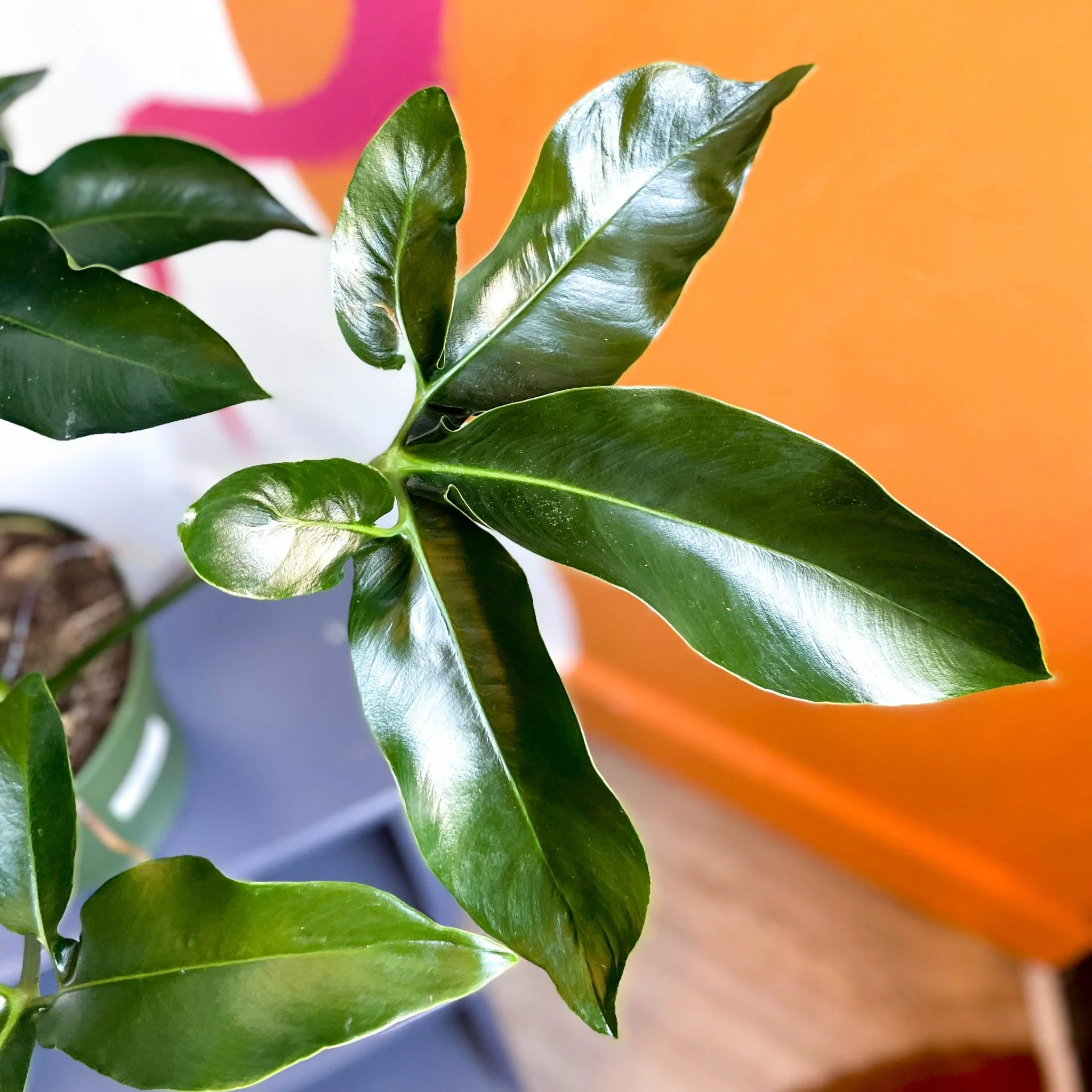
Colourful and easy-going, Neoregelia rosea, often called the Blushing Bromeliad, is a striking tropical houseplant with rosettes of green leaves that flush a soft pink or rose-red at the centre when mature or during flowering. Unlike other bromeliads that produce large flower spikes, Neoregelia species are grown mainly for their vivid foliage and architectural shape. Compact and hardy indoors, it brings a bold pop of colour and a natural sculptural element to shelves, tabletops, or bright terrariums.
Scientific Name
Neoregelia rosea
(Neoregelia = named after 19th-century German botanist Eduard Regel; rosea = “pink” or “rosy”, describing the centre’s blush colour)
Common Name
Blushing Bromeliad, Rose Bromeliad
Origin
Native to the rainforests of South America, particularly Brazil, where it grows as an epiphyte on trees or occasionally on the forest floor.
Light
Prefers bright, indirect light. A few hours of gentle morning sun can help intensify the pink blush. Avoid strong afternoon sun, which can scorch the leaves.
Water
Keep the central cup (“tank”) filled with clean, fresh water. Empty and refresh it weekly to prevent stagnation. Water the soil lightly when the top 2–3 cm feels dry. Good drainage is essential to prevent root rot.
Humidity
Enjoys moderate to high humidity. Mist occasionally or group with other tropical plants to boost moisture levels, especially during dry seasons.
Soil
Use a free-draining, airy mix – a blend designed for bromeliads, or a combination of orchid bark, perlite, and light compost. Avoid heavy soils that retain too much moisture.
Food
Feed sparingly every 4–6 weeks during the growing season with a diluted, balanced liquid fertiliser. Apply to the central cup or lightly to the soil. Reduce feeding in winter.
Temperature
Thrives between 18–26°C. Protect from cold draughts and avoid exposure below 12°C.
Pet-safe
Yes – Neoregelia species are non-toxic to pets and humans.
Sprouts Top Tips
The brighter the light (without direct harsh sun), the deeper the pink blush! Mature plants may produce pups (offsets) around the base – these can be separated once they’re about half the size of the parent to grow new plants.
Colourful and easy-going, Neoregelia rosea, often called the Blushing Bromeliad, is a striking tropical houseplant with rosettes of green leaves that flush a soft pink or rose-red at the centre when mature or during flowering. Unlike other bromeliads that produce large flower spikes, Neoregelia species are grown mainly for their vivid foliage and architectural shape. Compact and hardy indoors, it brings a bold pop of colour and a natural sculptural element to shelves, tabletops, or bright terrariums.
Scientific Name
Neoregelia rosea
(Neoregelia = named after 19th-century German botanist Eduard Regel; rosea = “pink” or “rosy”, describing the centre’s blush colour)
Common Name
Blushing Bromeliad, Rose Bromeliad
Origin
Native to the rainforests of South America, particularly Brazil, where it grows as an epiphyte on trees or occasionally on the forest floor.
Light
Prefers bright, indirect light. A few hours of gentle morning sun can help intensify the pink blush. Avoid strong afternoon sun, which can scorch the leaves.
Water
Keep the central cup (“tank”) filled with clean, fresh water. Empty and refresh it weekly to prevent stagnation. Water the soil lightly when the top 2–3 cm feels dry. Good drainage is essential to prevent root rot.
Humidity
Enjoys moderate to high humidity. Mist occasionally or group with other tropical plants to boost moisture levels, especially during dry seasons.
Soil
Use a free-draining, airy mix – a blend designed for bromeliads, or a combination of orchid bark, perlite, and light compost. Avoid heavy soils that retain too much moisture.
Food
Feed sparingly every 4–6 weeks during the growing season with a diluted, balanced liquid fertiliser. Apply to the central cup or lightly to the soil. Reduce feeding in winter.
Temperature
Thrives between 18–26°C. Protect from cold draughts and avoid exposure below 12°C.
Pet-safe
Yes – Neoregelia species are non-toxic to pets and humans.
Sprouts Top Tips
The brighter the light (without direct harsh sun), the deeper the pink blush! Mature plants may produce pups (offsets) around the base – these can be separated once they’re about half the size of the parent to grow new plants.
Original: $13.65
-70%$13.65
$4.09Description
Colourful and easy-going, Neoregelia rosea, often called the Blushing Bromeliad, is a striking tropical houseplant with rosettes of green leaves that flush a soft pink or rose-red at the centre when mature or during flowering. Unlike other bromeliads that produce large flower spikes, Neoregelia species are grown mainly for their vivid foliage and architectural shape. Compact and hardy indoors, it brings a bold pop of colour and a natural sculptural element to shelves, tabletops, or bright terrariums.
Scientific Name
Neoregelia rosea
(Neoregelia = named after 19th-century German botanist Eduard Regel; rosea = “pink” or “rosy”, describing the centre’s blush colour)
Common Name
Blushing Bromeliad, Rose Bromeliad
Origin
Native to the rainforests of South America, particularly Brazil, where it grows as an epiphyte on trees or occasionally on the forest floor.
Light
Prefers bright, indirect light. A few hours of gentle morning sun can help intensify the pink blush. Avoid strong afternoon sun, which can scorch the leaves.
Water
Keep the central cup (“tank”) filled with clean, fresh water. Empty and refresh it weekly to prevent stagnation. Water the soil lightly when the top 2–3 cm feels dry. Good drainage is essential to prevent root rot.
Humidity
Enjoys moderate to high humidity. Mist occasionally or group with other tropical plants to boost moisture levels, especially during dry seasons.
Soil
Use a free-draining, airy mix – a blend designed for bromeliads, or a combination of orchid bark, perlite, and light compost. Avoid heavy soils that retain too much moisture.
Food
Feed sparingly every 4–6 weeks during the growing season with a diluted, balanced liquid fertiliser. Apply to the central cup or lightly to the soil. Reduce feeding in winter.
Temperature
Thrives between 18–26°C. Protect from cold draughts and avoid exposure below 12°C.
Pet-safe
Yes – Neoregelia species are non-toxic to pets and humans.
Sprouts Top Tips
The brighter the light (without direct harsh sun), the deeper the pink blush! Mature plants may produce pups (offsets) around the base – these can be separated once they’re about half the size of the parent to grow new plants.